Artificial intelligence has extraordinary transformative potential, but it is not an end in itself for companies. Xavier Marcet.
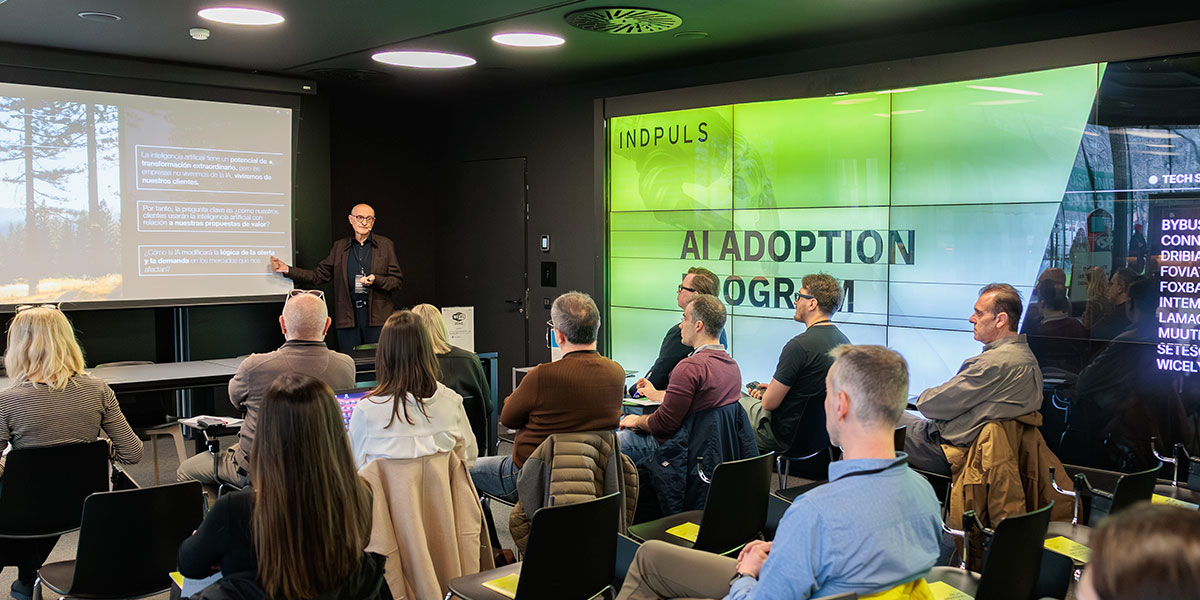
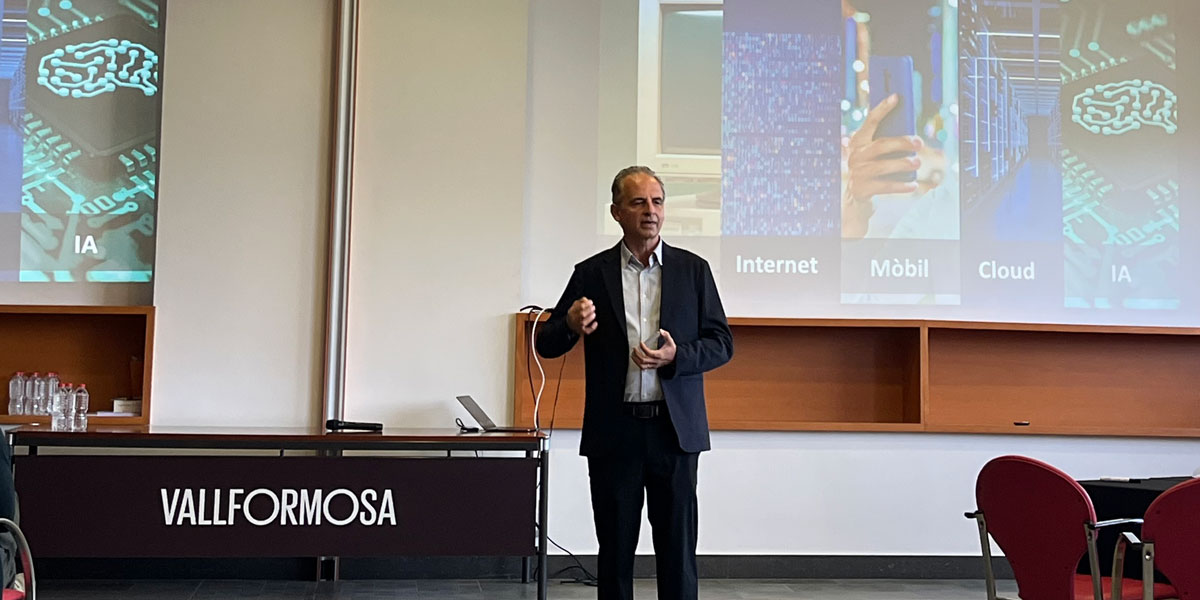
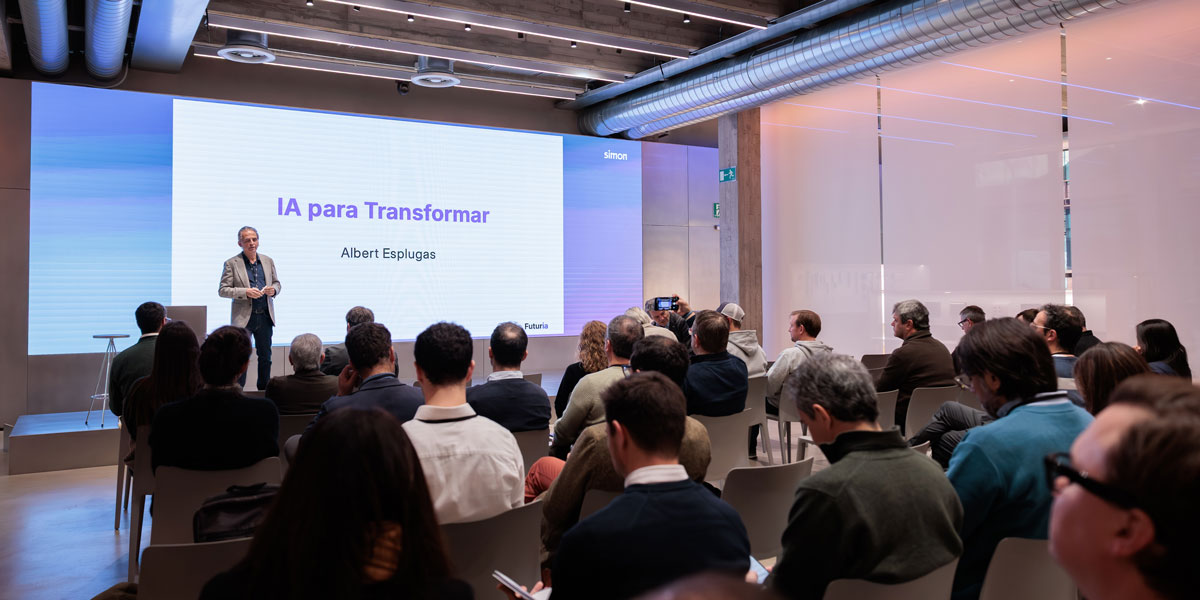
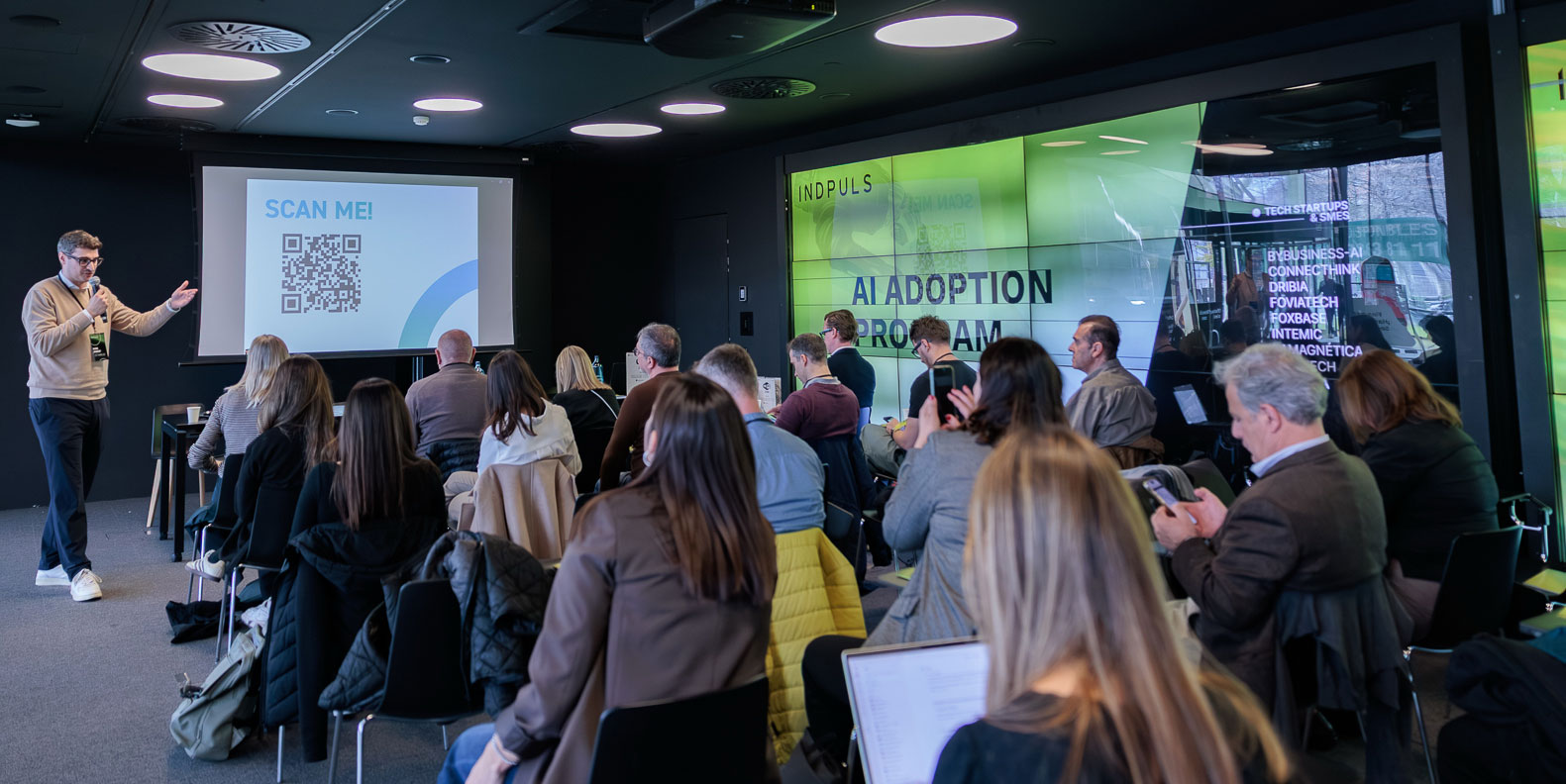
As part of the closing event of the AI Adoption Program 2025-2026, a project funded by the Recovery, Transformation and Resilience Plan and financed by the European Union through NextGenerationEU, Xavier Marcet delivered a keynote that brought strategic perspective at a time of intense technological acceleration. In a program focused on the real world application of artificial intelligence in industrial environments, his message was clear from the outset:
“Companies do not make a living from AI; they make a living from their customers.”
AI has extraordinary transformative potential, but it is not an end in itself. Marcet spoke about the AI wave, the digital tide that has been advancing for years, and the deeper currents, such as climate related ones, that truly shape the business context. He stressed that, with or without a digital revolution, the companies that survive are always those that have managed to retain customers and generate margins.
He referred to Amara’s Law to explain that, when the wave rises, it seems as though everything will change immediately. Later, we realize that change is more complex and slower than expected. Minimizing the impact of AI is naive; exaggerating it is as well.
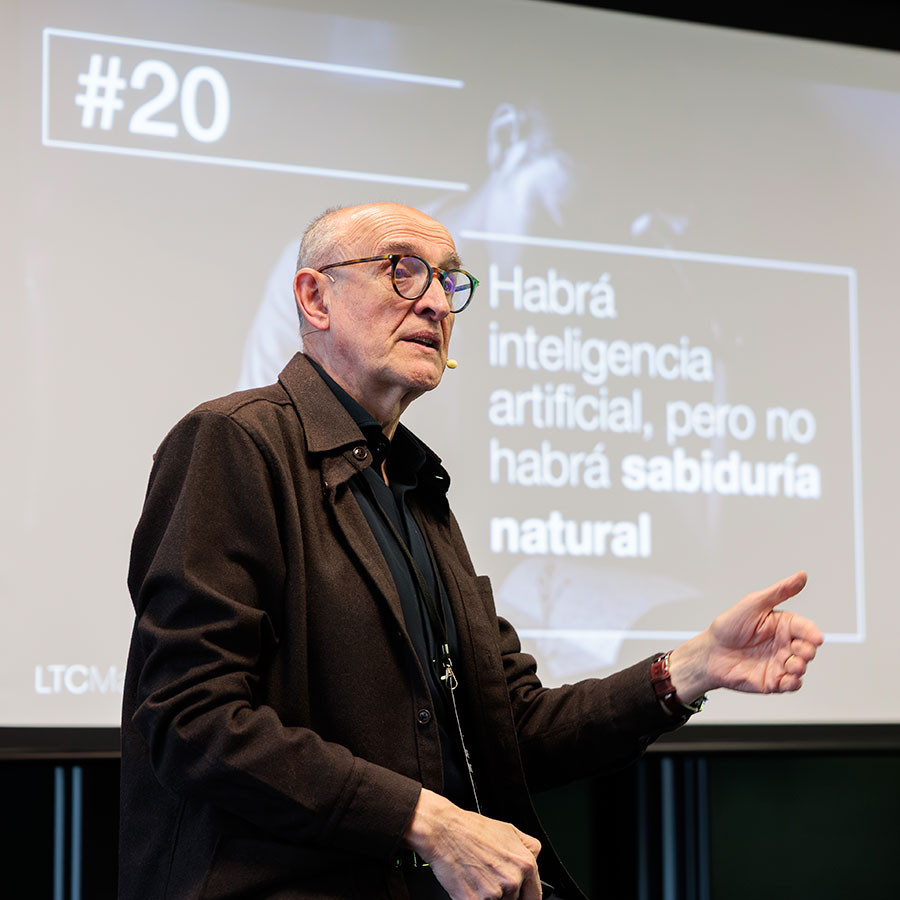
The focus, he insisted, should not be on technology in the abstract, but on how we can produce better and respond better to customer needs. Productivity cannot be taken for granted. Efficiencies are essential in order to compete. u003cstrongu003eCompetitive advantageu003c/strongu003e, in Porter’s terms, still means doing the same as others at a lower cost or doing something different that the customer values. And that advantage will u003cstrongu003enot be created by machines alone, but by people supported by machines.u003c/strongu003e
AI, combined and synchronized with other technologies, has enormous transformative capacity. But what truly makes the difference is people: knowing how to formulate the right questions, deciding where to apply the technology, and assuming strategic responsibility after “pressing a key.” We cannot become spectators of AI. It is people who must unlock its full potential.
The AI Adoption Program has been an example of how to explore technological opportunities with practical intent. But exploring is not enough: companies need the ability to think and decide which solutions to adopt and which not to adopt. This program has enabled this collaborative working exchange within the INDPULS ecosystem to drive the real implementation of AI solutions across the industrial fabric.
The future must be on today’s agenda, but let us not forget that it still does not pay today’s bills. Xavier Marcet.
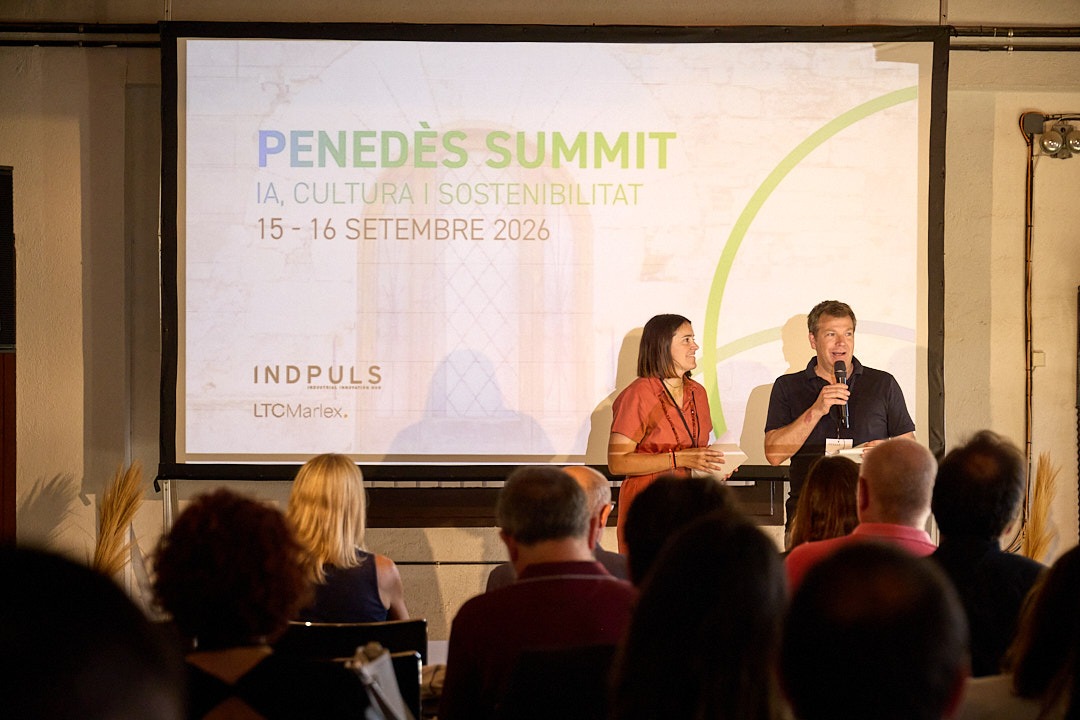
INDPULS was created to foster innovation, and in a context where AI is becoming democratized, the difference will once again lie in people.
AI will be an extraordinary simulation field for innovation, but the company remains a community of people, not a community of machines.
He warned that AI’s Achilles’ heel will be data quality and that its deployment will have an impact on organizational culture. More data and greater analytical capacity will require closer convergence between engineers and humanists. He even spoke of a “Renaissance of authenticity”: in an increasingly automated environment, human autonomy and authenticity will become differentiating factors.
Ultimately, AI expands capabilities, but it does not replace leadership, judgment, or vision. Competitive advantages will continue to be led by people capable of combining technology, strategy, and a deep understanding of the customer. The real challenge is not technological. It is a matter of management, culture, and value creation.
Similar Content