We speak with Jordi Sahun from Comexi about the recent Agrofood mission to China
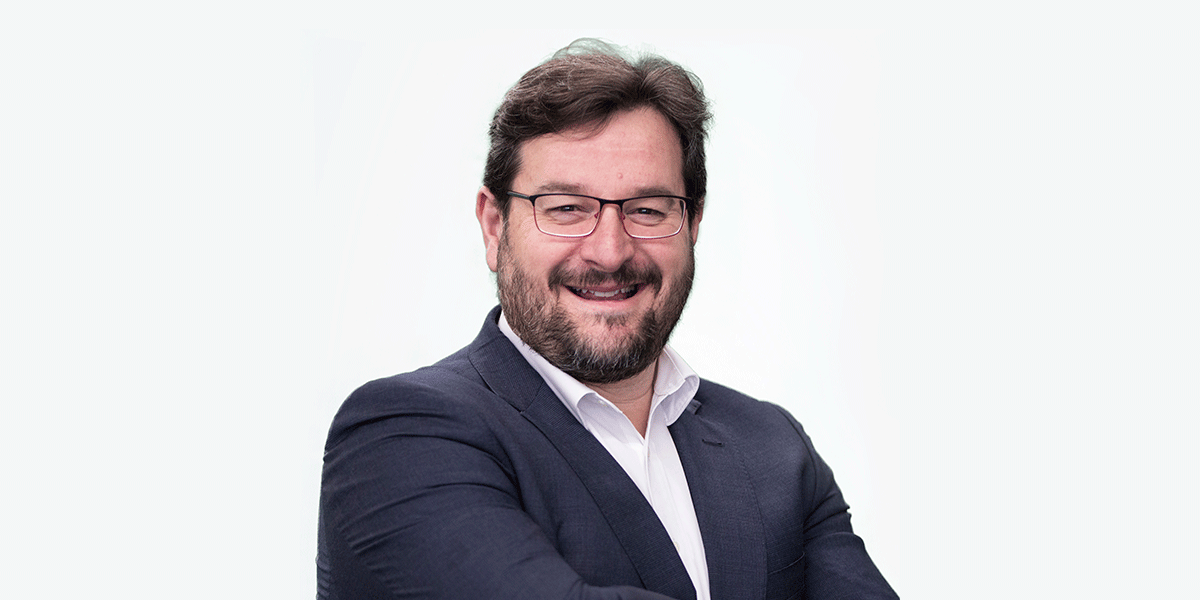
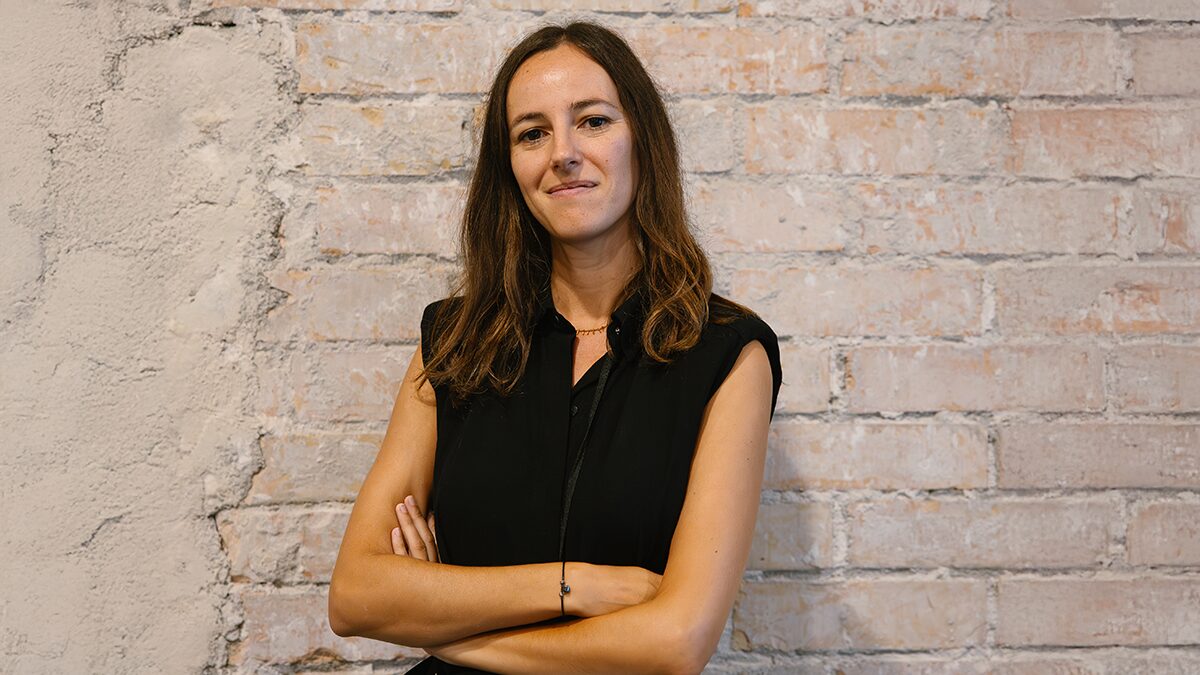
We spoke with Jordi Sahun, Director of Innovation and Head of the Digital Business Unit at Comexi, an INDPULS member company.
Comexi is a family-owned company founded in 1954, with a global presence and more than 500 professionals, specializing in the manufacture of machinery for the flexible packaging industry. Through innovation, the company is committed to research and technological design to develop efficient, reliable, energy-efficient and environmentally responsible solutions. With five product lines covering converting processes, flexographic printing, offset printing, digital printing, lamination and slitting, Comexi integrates technology, digitalisation and sustainability into a future-oriented industrial model.
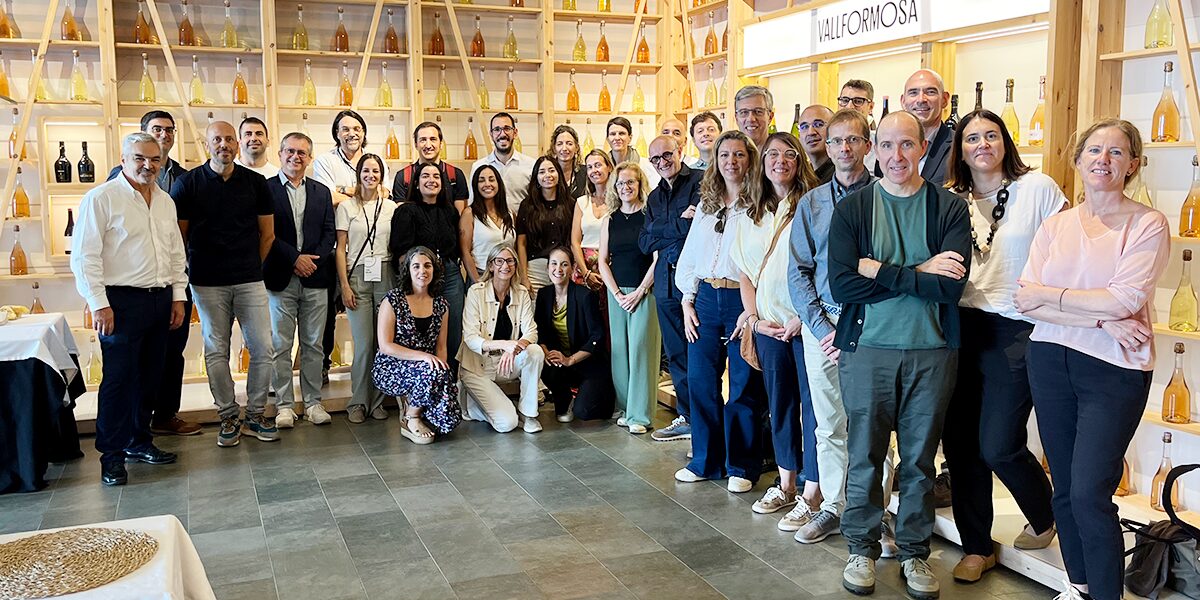
Recently, Jordi Sahun took part in the Agrofood China mission organised by ACCIÓ, focused on artificial intelligence, industrial digitalisation and the evolution of the Asian market. Jana Vives, Director of Innovation and R&D at Vallformosa, also participated in the mission.
In this INDPULSTALKS, we speak with Jordi about the key takeaways from the mission.
What was the main objective of this business mission to Shenzhen and the packaging sector?
The aim was to gain first-hand insight into China’s industrial ecosystem, with a focus on how Artificial Intelligence (AI) and automation are transforming the packaging sector. We wanted to understand how China has evolved from being the “factory of the world” into a global innovation hub, with remarkable speed and agility.
What surprised you most about how Chinese companies operate?
It completely changed my perception. They have an open, agile mindset typical of startups, but applied to very large-scale organisations. There, one year is equivalent to ten in Europe in terms of progress. They prioritise market share over short-term profit and apply the “good enough” concept: they only acquire European technology when it is not available in China, always with a focus on functional efficiency.
What specific technologies did you see already being applied in the industry?
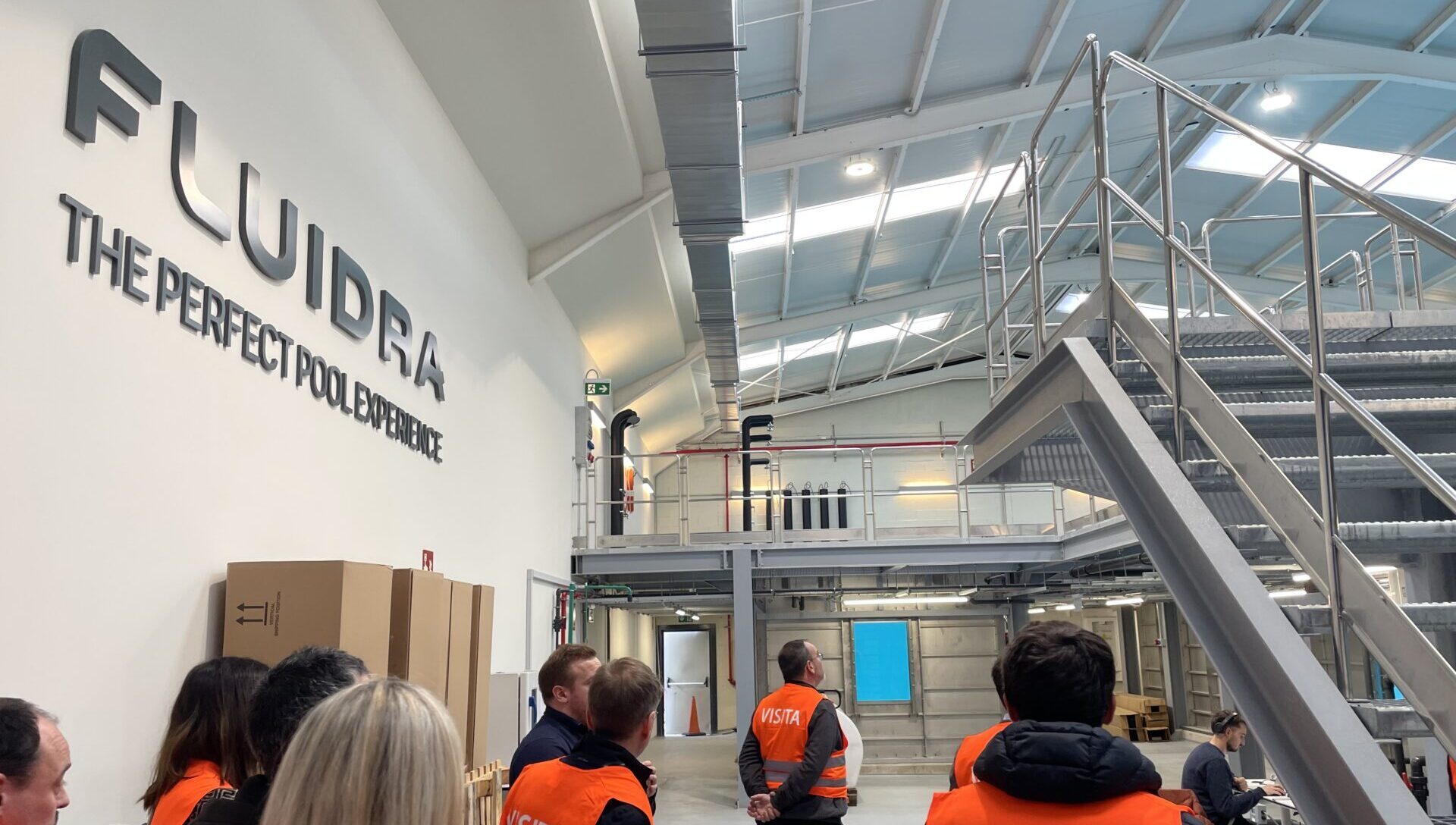
We saw everything from smart logistics and fully AI-operated supermarkets to humanoid robots performing repetitive tasks. These robots are already being sold on e-commerce platforms and programmed using AI and open-source code (we even saw humanoids dancing alongside people during Chinese New Year celebrations, under the slogan “We are made in China”). We also visited packaging machinery manufacturers offering highly automated solutions.
How does this reality impact Catalan and European companies?
We are entering a new cycle in which geotechnology will replace geopolitics, and Europe is not currently well positioned in this landscape of data and platform control. However, we start from a solid base: our companies are already highly automated, with facilities that rival the best factories in the world.
The challenge now is to take a qualitative leap: we must move from automation to autonomy.
It is no longer enough to have machines that simply repeat processes; we need systems that can make decisions and learn. In this context, AI and humanoid robotics must become key levers to equip machinery with cognitive capabilities and flexibility.
At the same time, the Chinese “one-stop shop” model -offering everything through a single provider- forces us to rethink our value proposition. They simplify management and reduce complexity for the client, with unmatched delivery speed. To compete, European companies must respond with disruptive innovation and a level of customer support so deep that it creates added value beyond what industrial scale alone can deliver.
What are the next steps following this mission?
We have several lines of work ahead: from assessing potential collaborations with technology leaders to diversify our machinery business, to exploring how our machines could be combined with humanoid robots.
You mentioned the concept of “geotechnology” as a substitute for geopolitics. How do you interpret this shift? What role do AI, data and digital platforms play?
Geotechnology means that global leadership is no longer determined solely by borders or resources, but by who controls critical technologies. In this new cycle, AI, data and digital platforms are the engines of growth and agility. In China, we saw that mobile and e-commerce are at the core of the entire system, creating an ecosystem in which those who control the technology also control the market. Europe still has significant work ahead.
Mobile and e-commerce are at the core of the Chinese system. What implications does this have for the packaging industry?
It changes everything. The industry must operate at the speed of a click. We saw companies producing food packaging at an enormous scale to meet this demand. Packaging is no longer just a container; it is a key element within a smart logistics system where delivery and immediate access to products are the top priorities. This requires highly automated facilities to ensure both volume and speed.
How can a globally oriented family business like Comexi combine a startup mindset with large-scale industrial operations? What lessons have you taken from China in this regard?
The key lesson is that scale should not come at the expense of agility. Chinese companies operate with a startup mindset and execution while being large organisations.
For Comexi, the path forward is to embrace this culture of continuous innovation and speed, without losing our DNA as a close, customer-focused company.
Looking ahead, what should be the role of the European packaging industry in this new technological cycle-compete, collaborate or redefine its model?
We need to do all three. We must redefine our model so that we are not competing solely on volume or price. We should collaborate in areas where they have a competitive advantage and seek Chinese partners to diversify our business. Above all, we must compete through specialisation, proprietary technology and -especially- through a level of customer support that the Chinese “good enough” model does not yet prioritise.
This interview is part of the INDPULSTALKS series, our conversation platform with the INDPULS community, where we explore topics related to the industrial sector, innovation, sustainability and management, among other key areas.
Similar Content