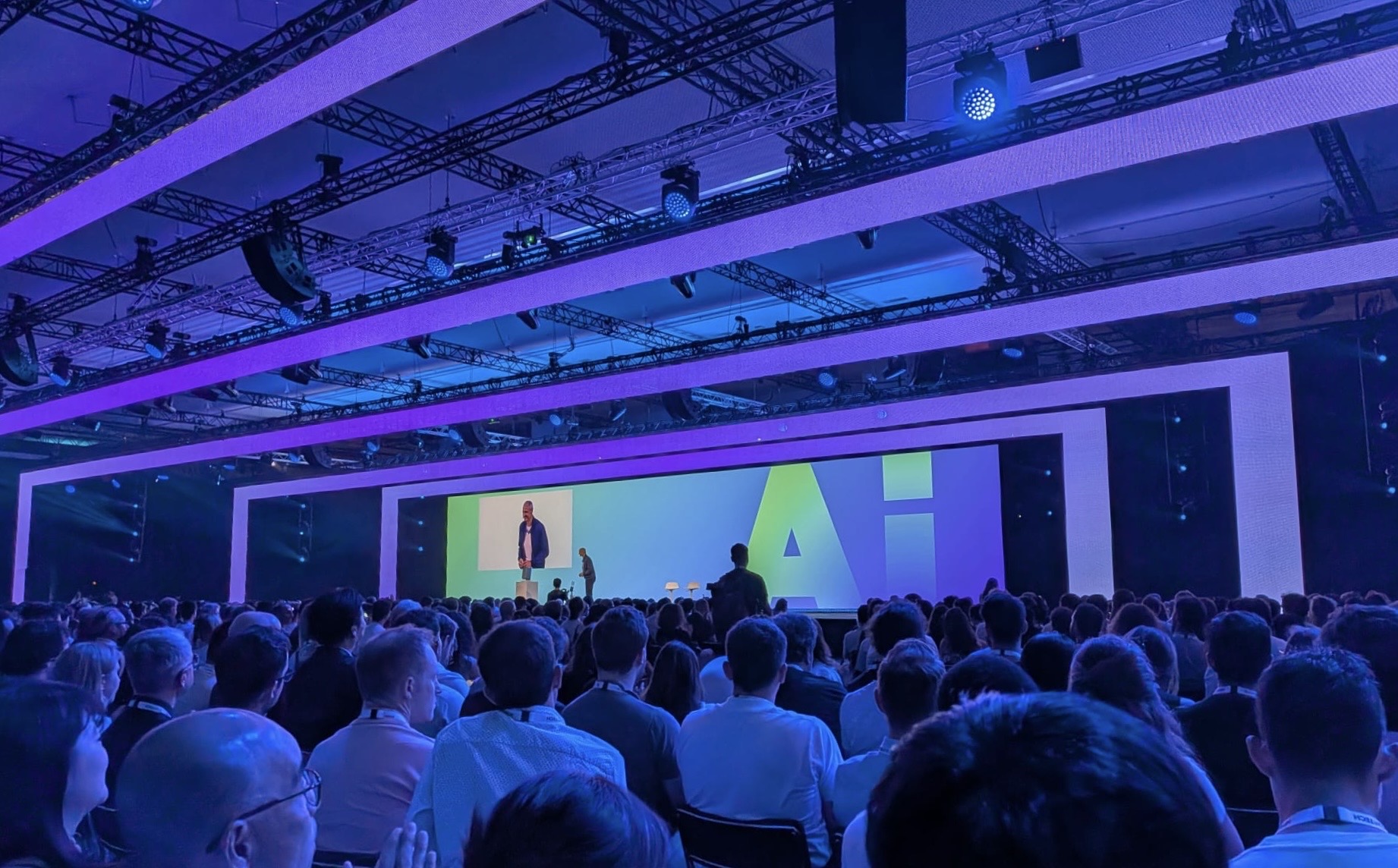
Exponential Day 2026: when exponential innovation becomes industrial value
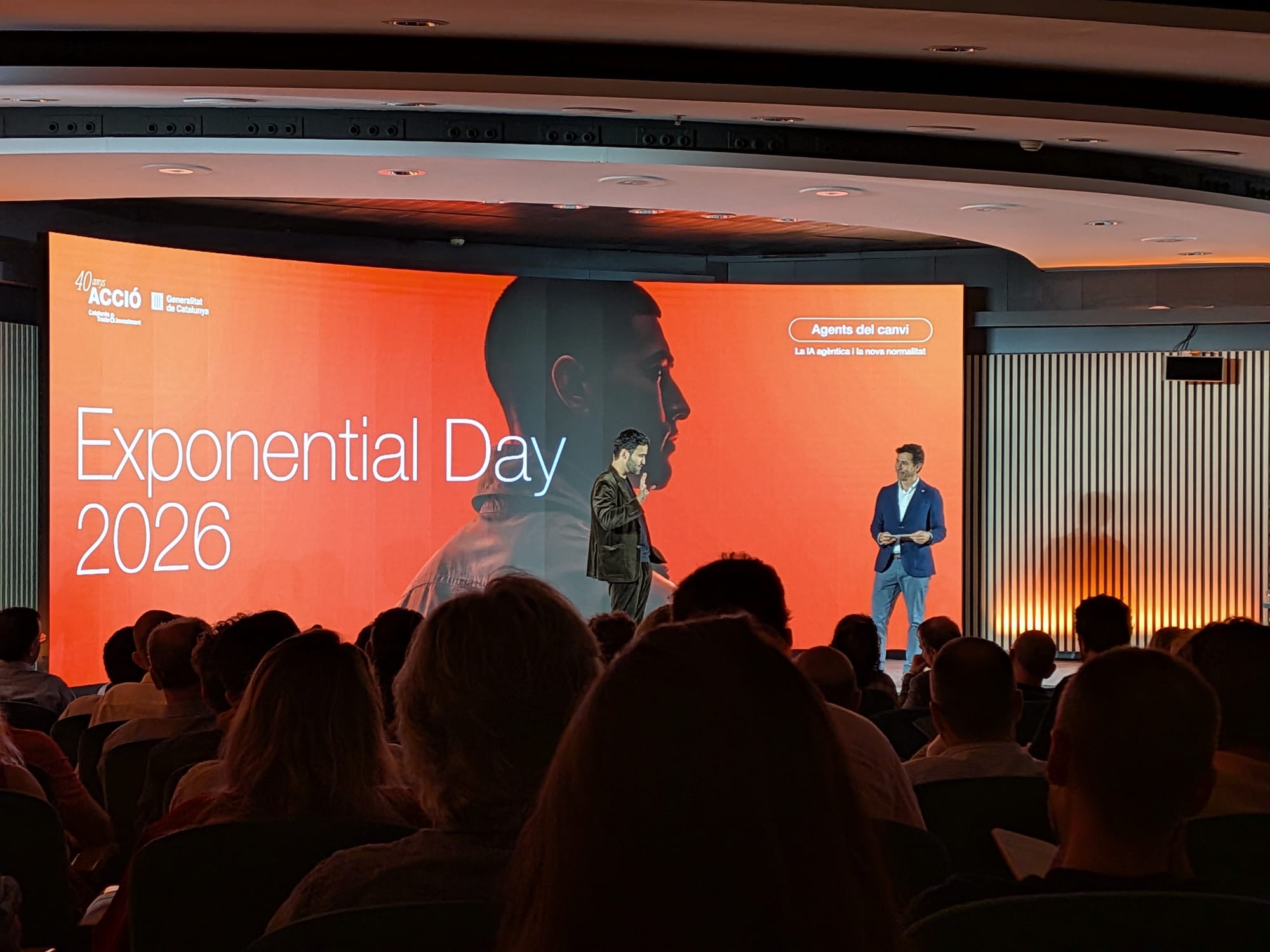
Fluidra, recognized as one of the ten Catalonia Exponential Leaders; Vallformosa, among the thirty finalists; and CELSA and Albert Esplugas, key figures in a day focused on agentic AI and business transformation.
Artificial intelligence is entering a new stage. After several years in which it has become established as a tool for analyzing data, generating content or improving productivity, systems are now emerging that are capable of executing tasks with greater autonomy, coordinating with other tools and taking part in complete processes within organizations.
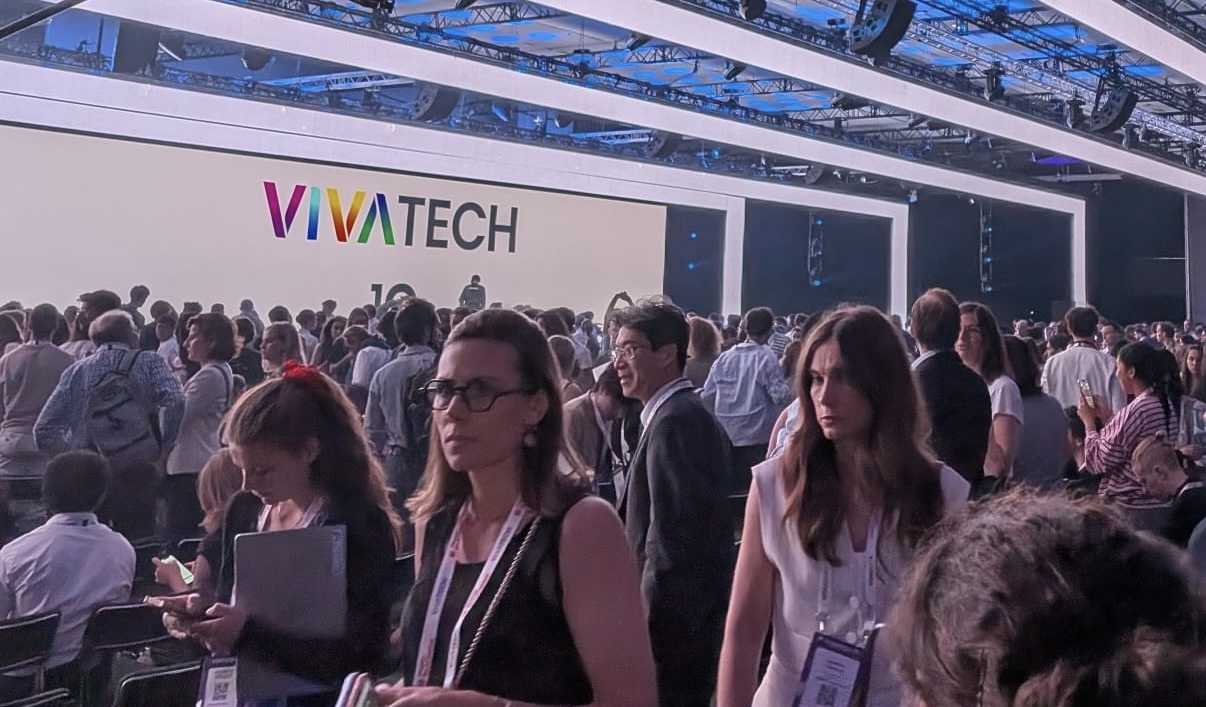
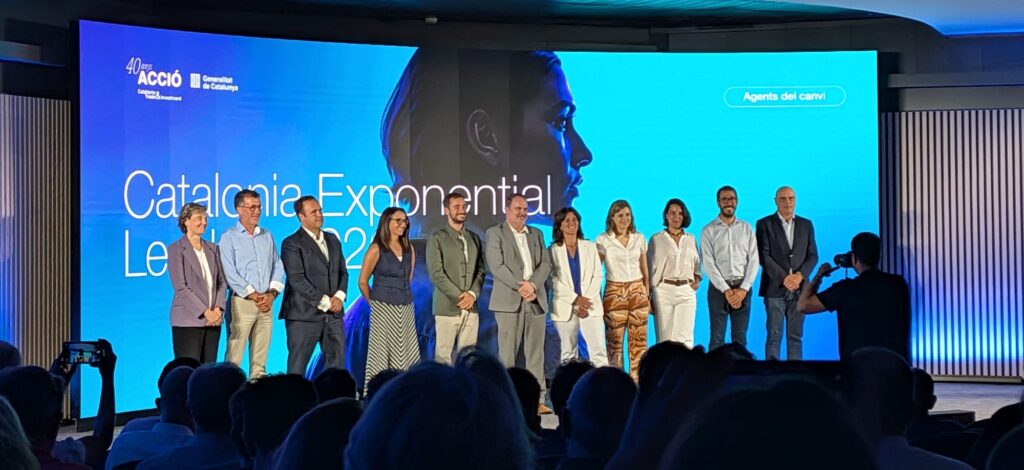
This was the guiding thread of Exponential Day 2026, ACCIÓ’s annual gathering dedicated to the most transformative technologies and business models. The day combined reflections on agentic AI and the future of work with business case studies, practical sessions and a networking space that brought together more than 200 companies.
This edition had a particularly direct connection to our ecosystem. Fluidra, Vallformosa and CELSA, INDPULS partner companies, played a prominent role, together with Albert Esplugas, who has collaborated with us on the development of the AI Adoption Program..
Fluidra, Catalonia Exponential Leader 2026
One of the central moments of the day was the presentation of the ten companies recognized as Catalonia Exponential Leaders 2026. Among those selected is Fluidra, a founding partner company of INDPULS, for the Piscina positiva project.
The initiative redefines the traditional swimming pool model, turning it into a smart, connected ecosystem. Through artificial intelligence, the Internet of Things and digital twins, it makes it possible to monitor and optimize the use of water, energy, chemical products and CO₂ emissions.
The project builds on Fluidra’s accumulated knowledge of the pool sector and combines it with emerging technologies to move toward more efficient, connected and sustainable solutions. It’s an example of how innovation can transform an established product, expand its value proposition and respond to environmental and social challenges.
The recognition of Fluidra highlights the ability of long-established industrial companies to generate disruptive proposals. Transformation doesn’t always start from scratch: it often stems from revisiting what the company already knows how to do, adding new capabilities and imagining how it can deliver more value in a different context. From INDPULS, we would also like to give special congratulations to Pere Camprovin, who leads Fluidra Ventures, Fluidra’s open innovation and corporate venturing unit, for his role in driving this initiative forward.
Vallformosa, among the thirty finalist companies
Vallformosa, also an INDPULS partner company, was among the thirty finalists of the Catalonia Exponential Leaders 2026 program, selected from the 175 applications submitted in this edition.
Its proposal puts forward a digital and industrial ecosystem to transform the wine-growing sector through artificial intelligence, IoT and regenerative agriculture. The project connects winegrowers, operations and market to move toward a more sustainable and resilient model.
In this case, technology is put at the service of the entire value chain: from work in the field to operations management and connection with the market. Innovation isn’t limited to digitalizing a specific activity; it also helps build a more connected system, capable of sharing information and making decisions with a more global view.
The Fluidra and Vallformosa projects show two different ways of approaching transformation from different industrial sectors. In both cases, technology is combined with sector knowledge, the company’s assets and a clear intent to rethink the existing model. We would especially like to congratulate Jana Vives, Marketing and Innovation Director at Vallformosa, for her leadership and her contribution to this project.
CELSA: real-world experiences of AI adoption
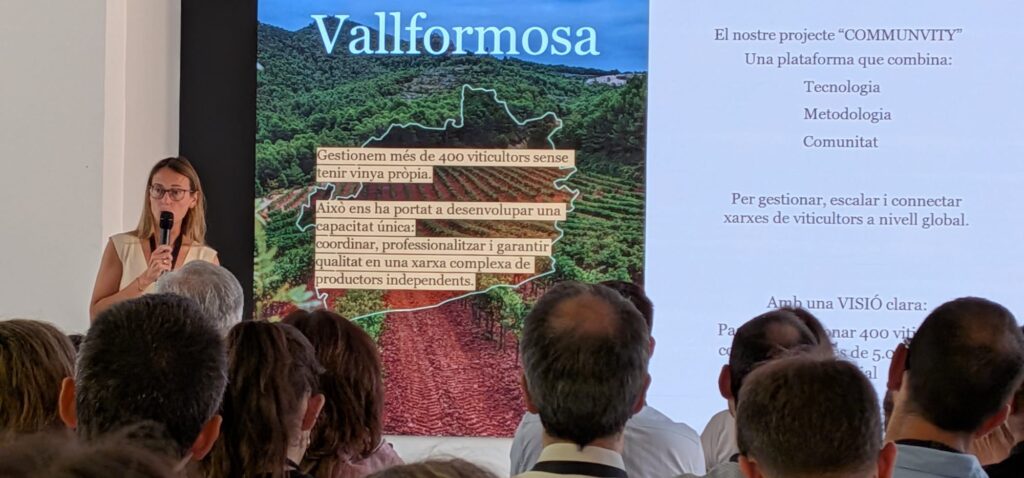
Exponential Day also gave a voice to companies already incorporating artificial intelligence into their processes. Anna Casals, Innovation Director at CELSA Group, took part in a conversation with Mireia Garcia-Roca, Director of Transformation, Strategic Innovation and AI at Hinojosa Packaging Group; Laura Gil, Chief Data Analytics Officer at Damm; and Aina Lluna Taylor, Generative AI Director at Editorial Planeta. The session was moderated by Carles Gómara, senior open and disruptive innovation consultant at ACCIÓ, and provided an opportunity to share experiences, challenges and lessons learned around the incorporation of artificial intelligence into the business fabric.
The session focused on the evolution from current AI applications toward intelligent agents: systems capable of taking on tasks, interacting with other tools and getting involved in organizations’ internal processes. The participating companies shared how they are progressing in this adoption and what opportunities they see for transforming the way they work.
For industry, this approach is especially relevant. Incorporating AI doesn’t just depend on having the technology available, but on knowing where it can add value, selecting meaningful use cases and integrating them into complex production and organizational environments.
CELSA’s experience connects with an idea we work on recurrently at INDPULS: for innovation to have a real-world application, it must start from the company’s challenges and move forward through experimentation, learning and collaboration with the ecosystem.
From automation to process redesign
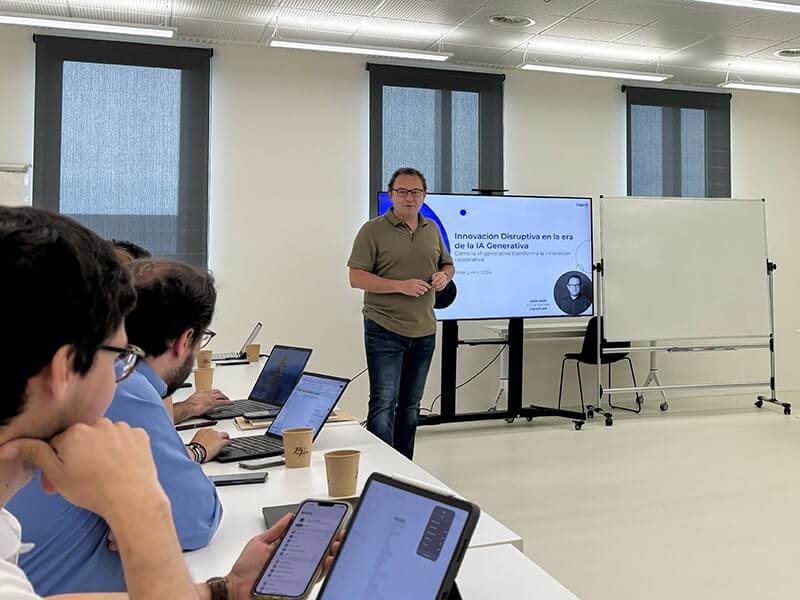
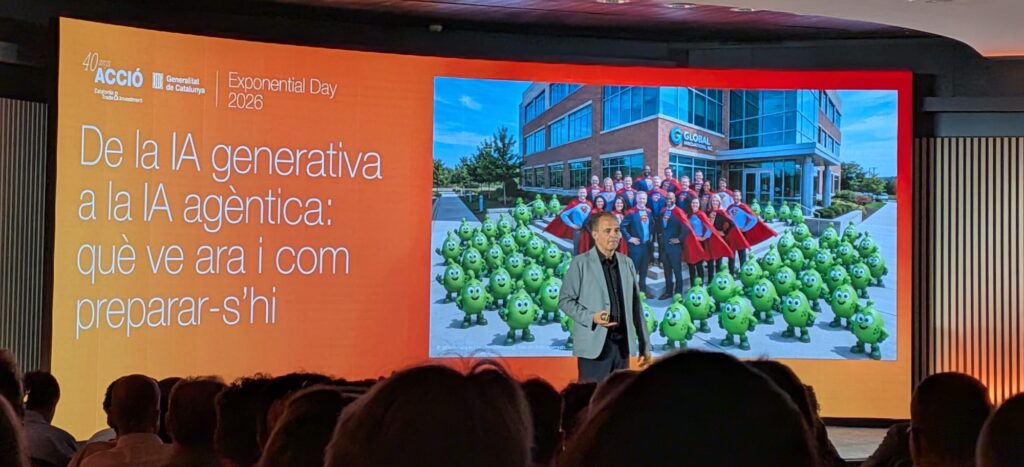
Albert Esplugas, CEO of Futuria and expert in artificial intelligence and digital transformation, explored the shift from generative AI to agentic AI and the implications this evolution will have for companies.
His talk emphasized the need to start from strategy and business objectives. The question isn’t about experimenting with AI without a clear direction, but about identifying which areas it can generate value in and how it should be integrated across the organization as a whole.
AI agents can take on specific tasks, work with greater autonomy and collaborate with people. But their contribution doesn’t consist solely of automating what we already do. The opportunity emerges when they make it possible to review entire workflows, redesign processes and explore new ways of creating value for customers.
This reflection follows directly on from the work Albert Esplugas has carried out with INDPULS partner companies as part of the AI Adoption Program. The program has made it possible to identify and prioritize industrial use cases, connect them with tech startups and SMEs, and move forward toward pilots applicable in real-world settings.
The meaningful leap doesn’t happen when a company adopts a new tool, but when it becomes capable of using that tool to review how it works, how it makes decisions, how it designs its products or how it relates to the market.
AI will transform professions, task by task
The keynote talk by Daniel Susskind, an international expert on the impact of technology on work and the economy, raised another of the day’s major questions: what will happen to professions as AI becomes capable of taking on increasingly complex activities?
Susskind proposes moving away from analyzing technology’s impact on entire professions and instead looking at the different tasks that make them up. Artificial intelligence won’t necessarily make jobs disappear suddenly, but it will transform them progressively, task by task.
This transformation no longer affects only manual or repetitive activities. AI can also take on functions linked to analysis, knowledge, creativity or information management. The challenge isn’t just a possible replacement of jobs, but a profound transformation of professional profiles and the skills people will need.
This requires industrial companies to understand which tasks will evolve, how work will be redistributed and which competencies will need to be developed. It also highlights the importance of continuous learning and of creating environments that help people adapt, expand their capabilities and work in a complementary way alongside technology.
At INDPULS, we will continue to drive artificial intelligence as a strategic lever for industry, advancing real adoption and the generation of shared value.
Similar Content