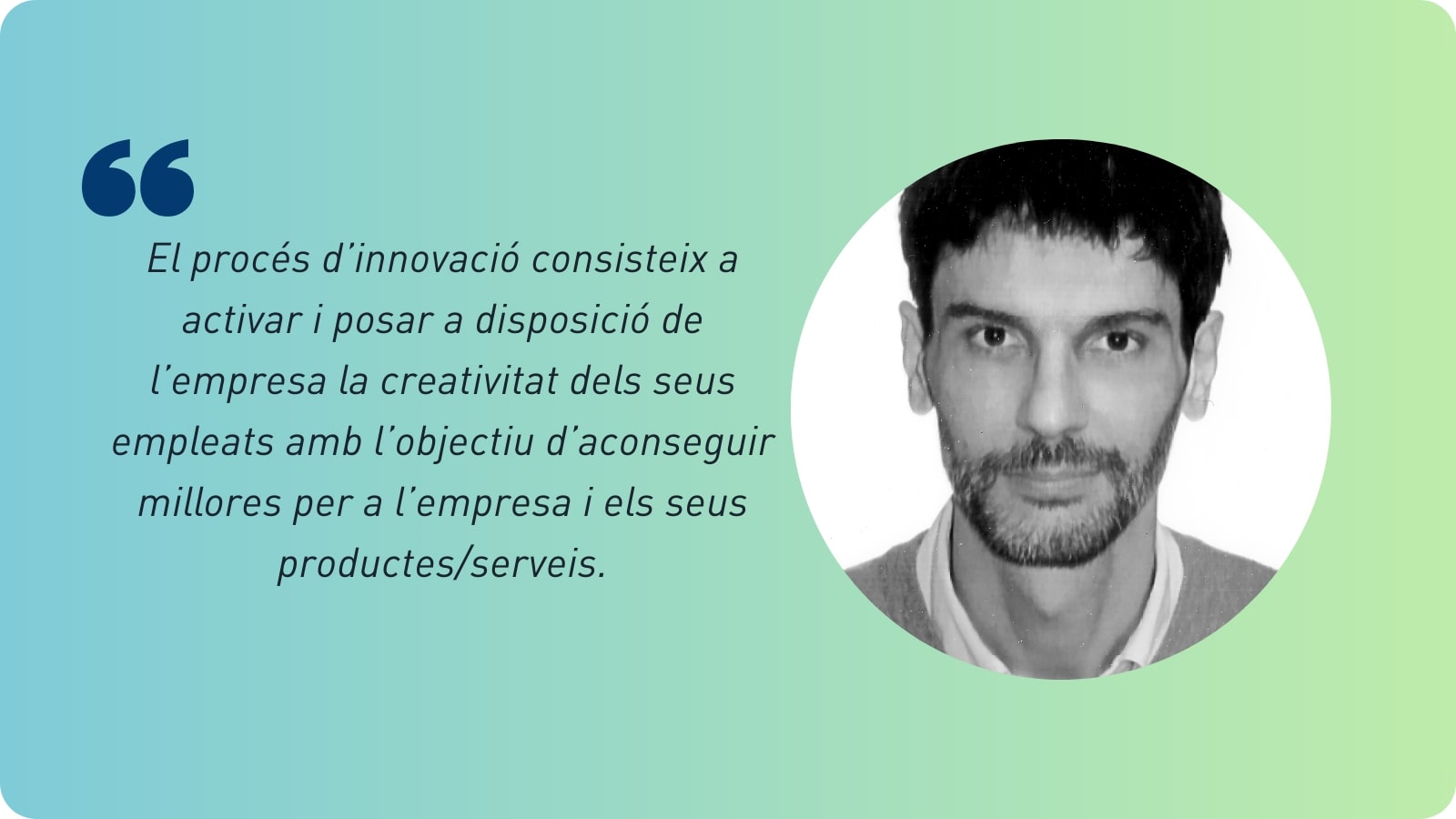
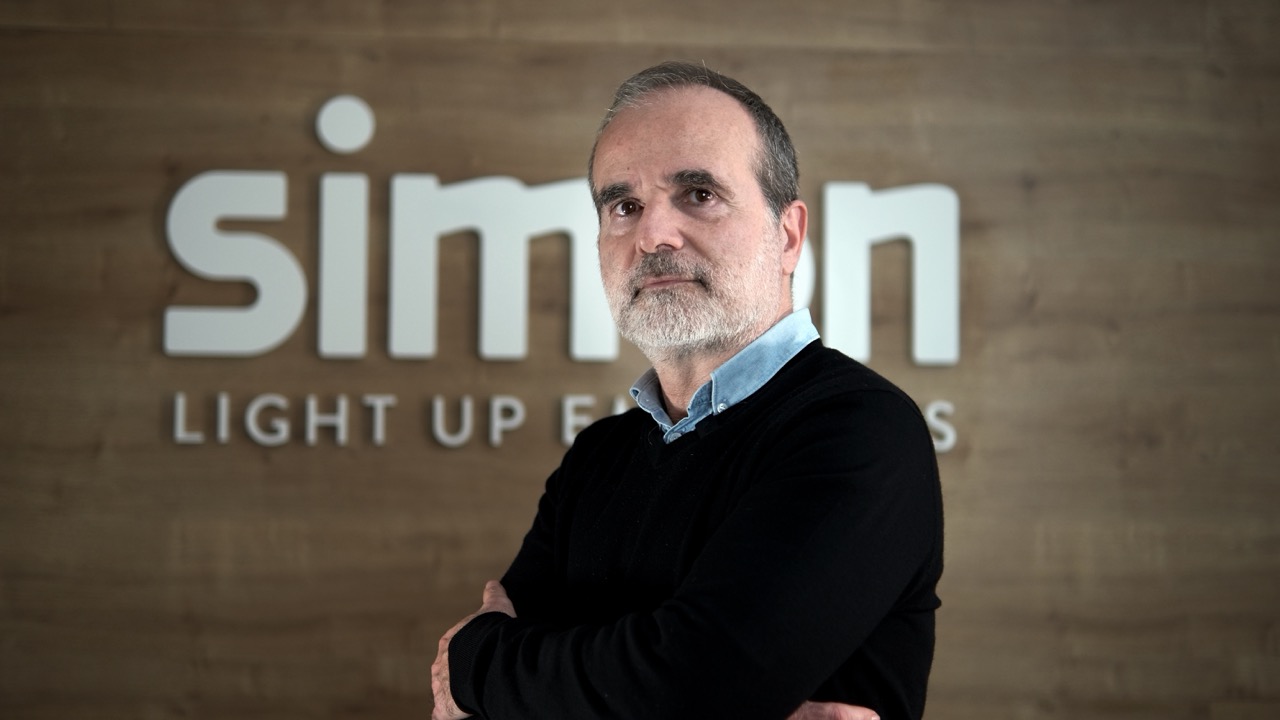
We speak with Emili Túnica, Global Director of People and Culture at Simon Group
Industrial transformation is not driven by technology alone. Above all, it depends on people, organisational culture and the ability to adapt, learn and work differently.
We speak with Emili Túnica, Global Director of People and Culture at Simon Group, an INDPULS partner company, about how to build organisations that are ready to innovate, the role of leadership and how the accumulated experience of an industrial company can coexist with new ways of working and engaging with talent. At Simon Group, this focus on people is part of a culture that has accompanied the company through its different stages of transformation — and continues to do so today.
1. When we talk about industrial transformation, we often focus on technology, processes or new business models. What role do culture and people play?
For me, there is one underlying idea that explains it all: organisations don’t transform; the people who work in them do. And when people change, the organisation changes with them.
Technology, processes and new business models are necessary conditions, but they are not sufficient on their own. You can buy the best technology on the market and redesign every process, but if people don’t understand why the change is happening, don’t feel part of it and don’t have the space to learn, the transformation will fall short. That is why I believe culture is not the “soft side” of transformation; it is what determines whether everything else ultimately works or not. The key question is not just which technology we introduce, but what kind of organisation we need to ensure that technology creates value.
2. When can we say that a company truly has a culture of innovation, beyond simply promoting innovative projects?
When innovation stops depending on a single department or a handful of flagship projects and becomes part of the way people work every day. A company has a culture of innovation when people feel empowered to question how things are done, and when well-managed mistakes are seen as learning opportunities rather than failures.
It also requires consistency: you cannot ask people to innovate and then reward only risk-free execution. For me, the best indicator is not how many innovative projects you have, but what happens when someone on the factory floor, in the office or out in the field comes up with an idea: whether they are listened to, whether the idea is tested and whether it is discussed. That is where you see whether culture is real or just a slogan.
3. At an established and forward-looking industrial company such as Simon Group, how do you combine the value of accumulated experience with the need to transform and embrace new ways of working?
For a company like Simon, which is celebrating its 110th anniversary this year, experience is an enormous asset: product knowledge, customer insight, industrial expertise and a way of doing things that is grounded in rigour and quality. The challenge is not to replace that experience, but to put it into motion.
I strongly believe that organisations that endure are those that grow by helping their people grow. This means that transformation is not about going against who we are, but about creating an opportunity for experienced employees to learn new things and for new recruits to learn from those who have been here for years. When you achieve that exchange, experience stops being a burden that says, “We’ve always done it this way” and becomes a solid foundation for going further.
4. From your position at Simon Group, what are the main talent-related challenges facing the industrial sector today?
The first is attracting talent, and it has a very clear geographical dimension. Industry still faces a perception problem among younger generations, who often don’t realise that today industry means technology, innovation, sustainability and international opportunities. Furthermore, a significant proportion of industrial activity takes place outside Barcelona, and finding specialised professionals willing to work in other areas is becoming increasingly difficult. This means we need to collaborate more closely with local training centres, invest in local talent and build employee value propositions that go beyond salary.
The second challenge is technological disruption, which is entering a new phase with what we call physical AI: artificial intelligence that no longer remains on a screen, but is integrated into robots, machines and production processes. This will profoundly change many jobs. The question is not how many jobs will disappear, but how we can support people as they evolve alongside technology and which new profiles we will need that do not even exist today.
The third challenge, in our case, is our international footprint. We are a group operating in many countries, and we increasingly work in a more connected way across markets and teams. This means we can no longer focus solely on our immediate surroundings: what happens in Asia, Latin America or other European markets directly affects us and often gives us an early indication of changes that will reach us later. We need people with a global outlook who can work with teams from different countries and cultures and learn from what is happening elsewhere. For us, this is an opportunity to understand change from a global perspective and help our people grow by exposing them to different realities.
Finally, there is development and engagement. People don’t stay because you hold on to them; they stay because they grow. If someone understands the company’s purpose, sees that their contribution creates value and feels they are progressing professionally, commitment follows naturally. Added to this are generational succession and the management of critical positions, both of which are urgent challenges for many industrial companies.
5. Transformation also requires different forms of leadership. What capabilities do industrial leaders need today to mobilise teams and move organisations forward?
First, the ability to provide a sense of purpose: explaining why change is necessary, connecting it to the organisation’s purpose and helping each person understand how their work fits into the bigger picture.
Second, and this is crucial for me, the ability to create spaces where people can speak their minds. Many of the best ideas are already within the organisation, but they will never emerge if people do not feel safe enough to question, suggest or disagree. Leaders must build that trust and genuinely listen. But listening is not enough: they must also have the courage to move forward with ideas that can help the company grow, even when those ideas involve risk or challenge established ways of doing things. And when someone steps forward, they need to feel that their initiative is valued. Recognition from a leader is what encourages people to take that risk again.
Third, knowing how to help others grow. Today’s leaders are judged less by what they know and more by what they enable their teams to learn and achieve.
Fourth, being a connector. We can no longer do everything ourselves. The complexity and pace of change require us to build partnerships with other companies, start-ups, technology centres, universities and suppliers, and to think in terms of ecosystems. Leaders must be able to connect people, teams and organisations with very different backgrounds, cultures, ways of working and priorities, bringing them together rather than trying to control everything. The same applies within the organisation: increasingly, things do not happen through a clear hierarchical chain, but through the ability to connect teams, departments and countries.
And fifth, never losing the ability to execute. All of this only makes sense if things ultimately get done. Leaders must know how to set priorities, make decisions, manage uncertainty calmly and turn ideas into results. They do not need to have all the answers, but they do need to build enough trust and momentum to keep their teams moving forward.
“We are moving from leadership based on control to leadership based on trust, support and leading by example.”
6. INDPULS was created as a space for collaboration between industrial companies. What value do these spaces bring in terms of sharing experiences, learning from peers and accelerating business transformation?
A great deal, for a simple reason: the challenges facing industrial companies are much more alike than we often think. Attracting talent, digital transformation, leadership, generational succession… Sharing experiences with our peers allows us to learn from what has worked in other companies, but especially from what hasn’t worked — a type of learning that you rarely find in a manual.
There is also an almost emotional value in realising that you are not alone in facing these challenges. At a regional level, spaces such as INDPULS help build a stronger industrial ecosystem, because when companies grow together, the sector becomes more attractive and more competitive. Growing by helping others grow applies to the ecosystem, too.
7. Which word best sums up the culture we need to transform industry?
Growth. Growing as individuals, as teams and as organisations, and understanding that none of these things can happen without the others.
This interview is part of INDPULSTALKS, our series of conversations with the INDPULS community, in which we explore a range of topics related to the industrial sector, innovation, sustainability, management and other relevant areas.
Similar Content