INDPULS family businesses: industry and legacy
In Catalonia, family businesses are a structural element of the business fabric, particularly within the industrial sector. They represent 88.3% of all companies, generate 69% of Gross Value Added (GVA), and account for 76% of private sector jobs, according to the Catalan Family Business Association. Moreover, nearly 5% are centenary companies, and 74% of business owners consider the family nature a factor that enhances competitiveness.
This weight is not only quantitative. In industry, family businesses accumulate technical knowledge, industrial know-how, and a long-term orientation that defines their competitiveness.
Today, most of INDPULS member companies are family-owned or family-based. All of them bring decades of industrial activity, in some cases more than a century, developing productive efficiencies, international positioning, and sector specialization. This is no coincidence. They reflect a very specific way of doing things: a unique DNA that defines their corporate culture and their decision-making approach.
Strategic session in Estamariu with Planes Corts Foundation
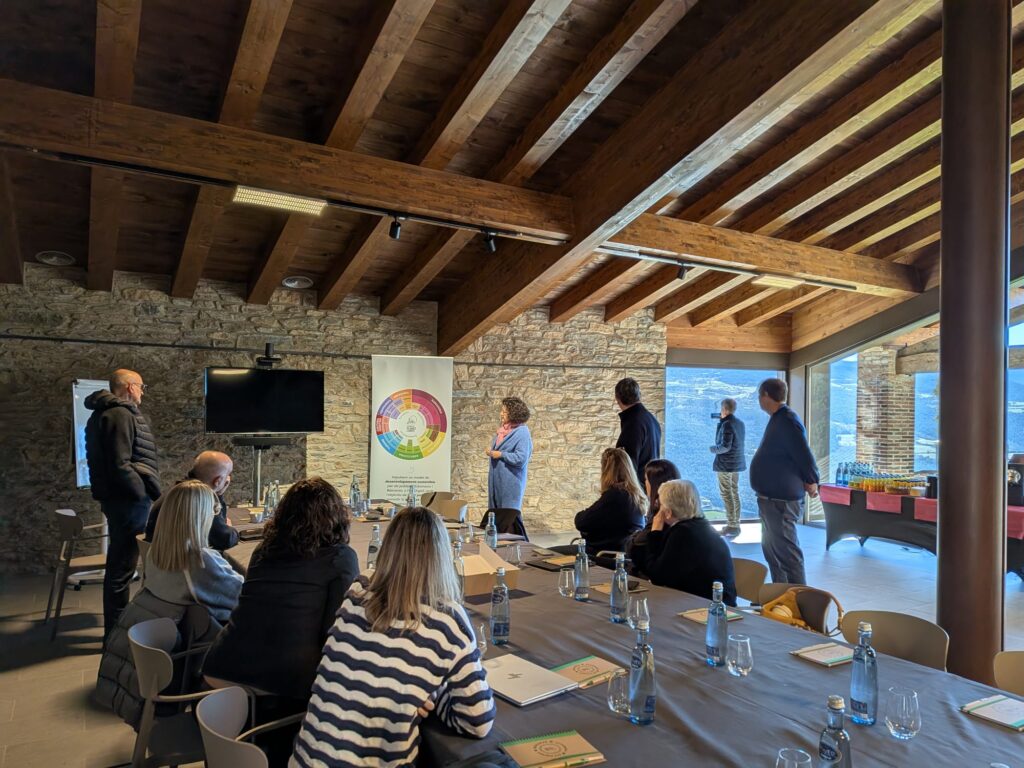
This spirit became evident during the visit, a few weeks ago, to the Planes Corts Foundation in Estamariu, with Eloi Planes as host. During the day, we held an INDPULS Board meeting and a working session on decision-making in complex situations, led by Xavier Marcet. The session focused on one of the major challenges for industrial companies: making decisions in uncertain environments with long-term impact.
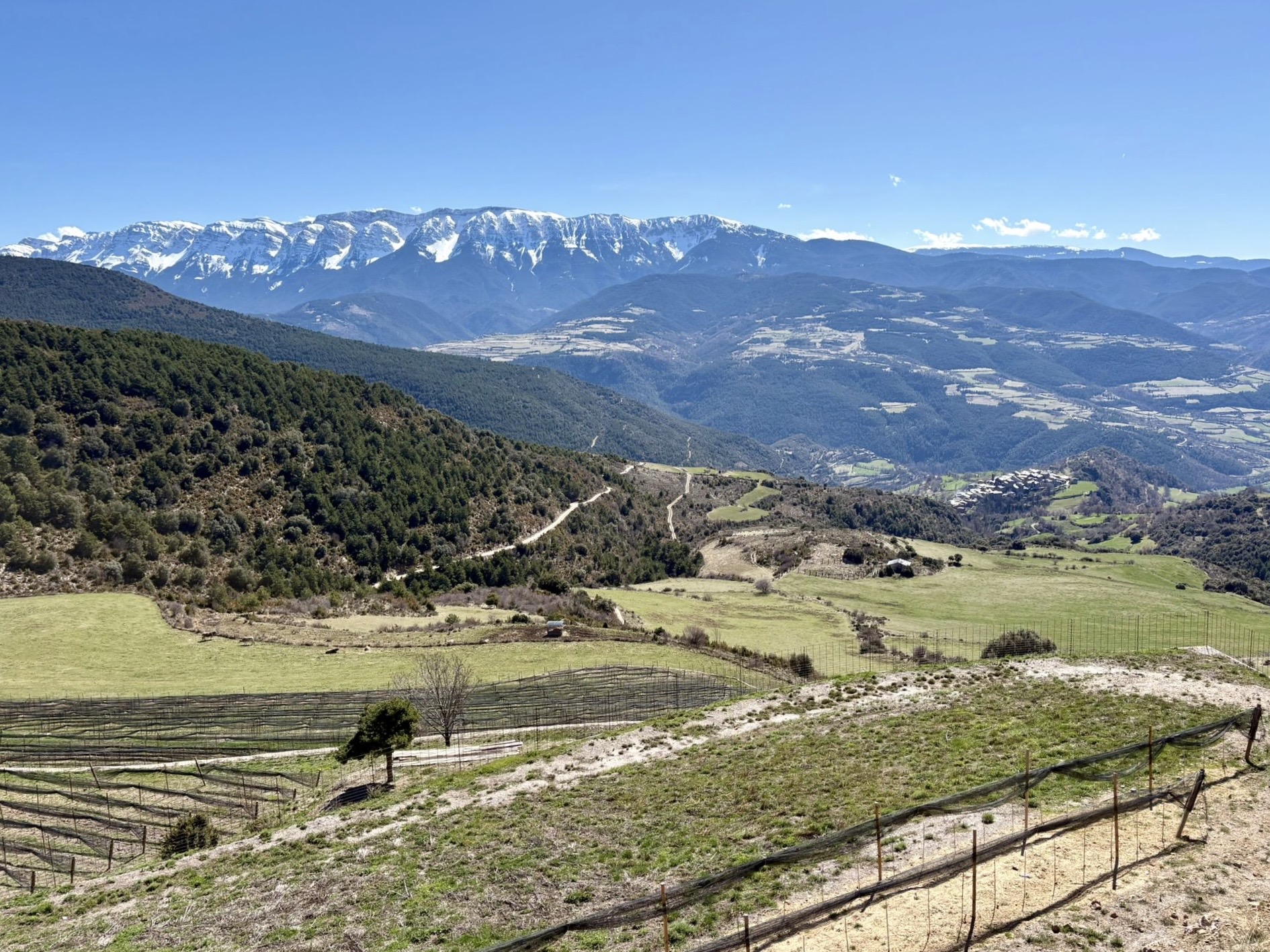
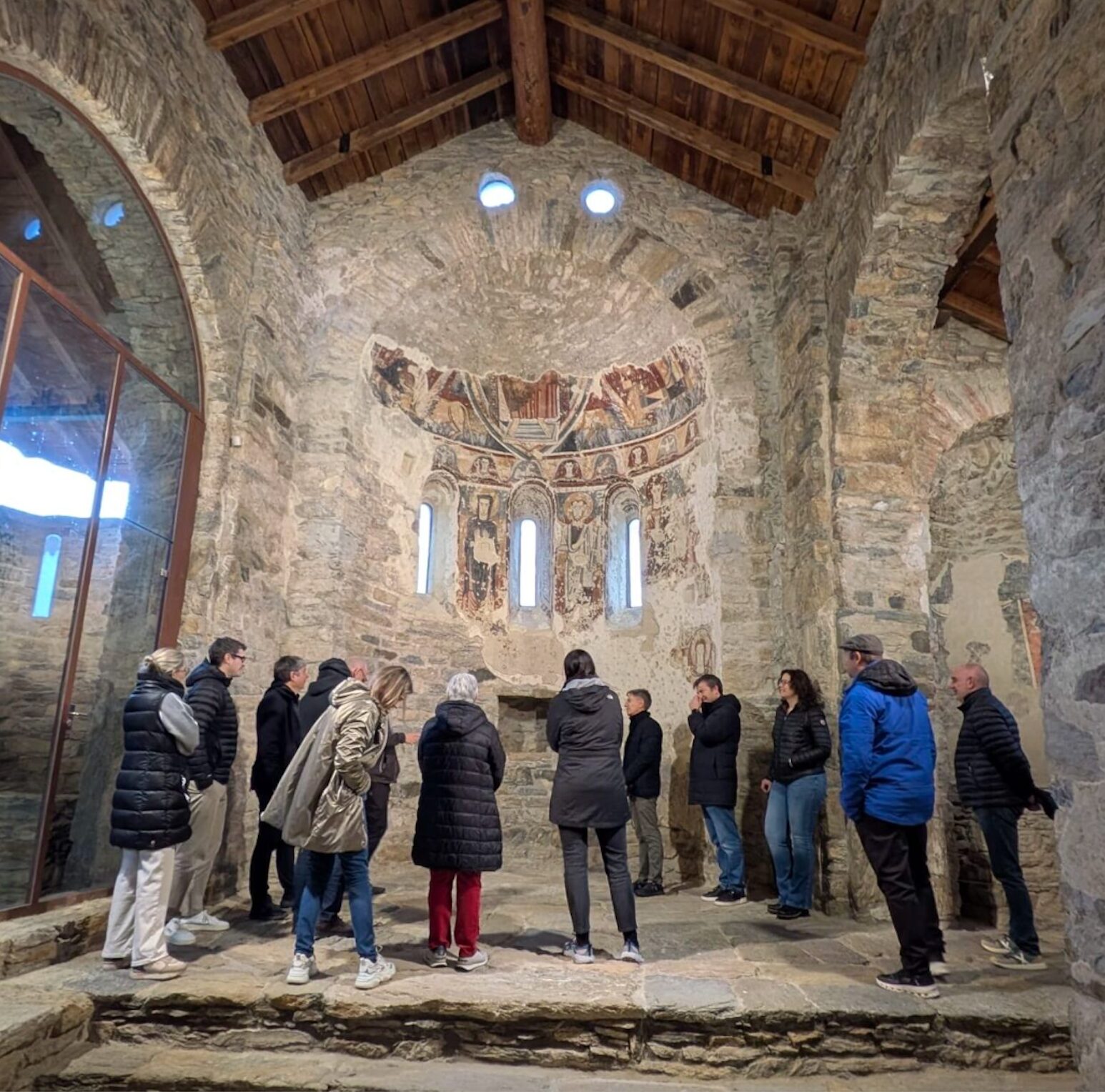
There, we understood the Foundation’s work as a clear expression of the Planes Corts family’s connection to Estamariu and their commitment to giving back to the territory everything it has given them. Projects such as new vineyards, co-working spaces, or the biogas plant reflect a way of working closely linked to the local environment. One of the highlights of the visit was the restoration of the Romanesque church of Sant Vicenç, where we were able to admire a Romanesque fresco of great value.
Talking about family legacy means talking about people like Joan Planes, Eloi’s father, who shaped a way of understanding business and commitment to society. In addition, recently, the Barcelona Chamber of Commerce awarded him, posthumously, its Medal of Honour -one of its highest distinctions- in recognition of a lifetime of business achievement and his contribution to the economic and social fabric.
Future challenges
This case is a clear example of how family businesses drive local development through long-term projects. However, their continuity is not guaranteed: it requires the ability to adapt and evolve with each generation.
Moreover, as highlighted in a study on family businesses by the Universitat Pompeu Fabra Barcelona School of Management, creating a company is complex, but maintaining its competitiveness over time is even more demanding. In the industrial sector, this challenge is reflected in three areas: succession, governance, and technological adaptation.
Ultimately, the key variable is the capacity to evolve. For industrial companies, evolving means innovating while maintaining control of their industrial project. It means incorporating technologies, automating processes, improving operational efficiency, and strengthening decision-making.
Because the challenge is not only to preserve the family legacy, but to ensure its competitiveness in a global environment.
Similar Content